
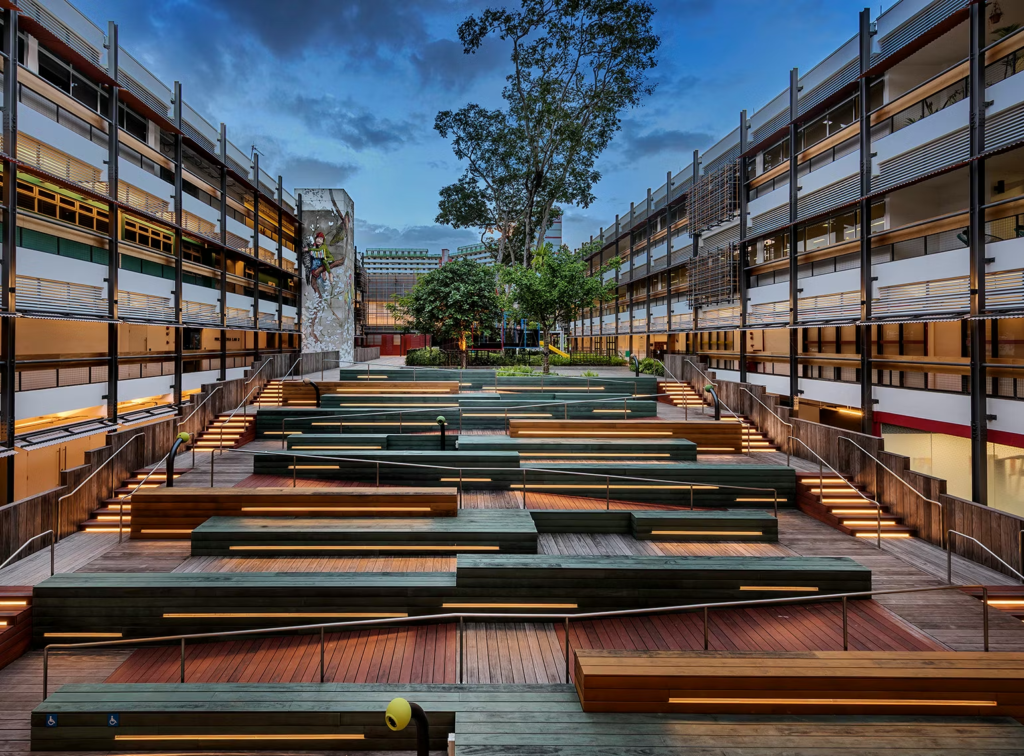
Why Architecture Firms in Singapore Are Setting Global Standards in Design
When it comes to world-class architecture, Singapore is increasingly making a name for itself. From its stunning skyline to sustainable urban developments, architecture firms in Singapore are pushing boundaries and delivering projects that set new standards in the industry. But what exactly sets these firms apart from their global competitors? How is Singapore’s approach to architecture shaping the way cities will look in the future?
In this blog post, we’ll take a closer look at the unique factors that differentiate architecture firms in Singapore from firms around the world. From a deep understanding of local culture to a relentless commitment to sustainability and innovation, Singapore’s architectural landscape is thriving—let’s explore why.
1. Mastery of Sustainable Design and Green Building Practices
One of the standout features of architecture firms in Singapore is their commitment to sustainability. As a city-state with a growing population and limited land, Singapore has made sustainability a cornerstone of its urban planning and architectural design. Local firms have pioneered sustainable building practices that go beyond just incorporating green spaces—they create energy-efficient, environmentally responsible buildings that serve as models for other cities.
Take Marina Bay Sands, for example—a stunning architectural feat that incorporates sustainable elements such as energy-efficient lighting and water conservation techniques. Similarly, Gardens by the Bay, designed by Wilkinson Eyre and Grant Associates, combines breathtaking beauty with sustainability, featuring innovative cooling systems and rainwater harvesting.
These designs have become iconic examples of how architecture firms in Singapore blend high-performance building techniques with the tropical environment, making them leaders in sustainable architecture. Local firms understand the climate and unique environmental challenges Singapore faces and tailor their designs to enhance energy efficiency while maintaining aesthetic value.
2. Deep Integration of Nature and Urban Spaces
Architecture firms in Singapore have mastered the art of integrating nature with urban living. Known for their emphasis on biophilic design—the practice of creating spaces that connect people with nature—these firms are at the forefront of designing buildings that embrace greenery, natural light, and outdoor spaces.
In a country with a tropical climate, local architects have learned how to harmonize architecture with nature in ways that global competitors often cannot. For example, the The Interlace, designed by Ole Scheeren, is a massive residential complex that is designed to optimize communal spaces while integrating vertical gardens. The design encourages interaction with nature while improving residents’ well-being by incorporating natural ventilation and outdoor green spaces.
Additionally, Singapore is one of the world’s most highly urbanized nations, and yet it is also consistently ranked as one of the greenest cities globally. Local architecture firms play a crucial role in maintaining this balance, crafting spaces where nature and urban life exist in harmony.
3. A Focus on Cultural Context and Local Identity
While global architecture firms often prioritize universal design trends, architecture firms in Singapore are keenly focused on cultural context and local identity. Singapore is a melting pot of cultures, and its architecture reflects the rich diversity of the country. Local architects are experts at incorporating elements of Singapore’s multicultural heritage into modern, functional designs.
Take the National Gallery Singapore by Studio Milou—this project seamlessly blends the city’s colonial history with contemporary design, creating a space that is both culturally significant and architecturally forward-thinking. Similarly, the Chinatown Complex incorporates traditional Chinese architectural elements alongside modern techniques, allowing the building to maintain its cultural roots while appealing to contemporary needs.
By understanding the cultural significance of architectural elements and using them creatively, architecture firms in Singapore produce spaces that not only serve their purpose but also resonate deeply with the people who use them.
4. Expertise in High-Density Urban Planning
Singapore’s geographical limitations have pushed architecture firms in Singapore to become masters of high-density urban planning. The need to accommodate a growing population while maximizing land use has led to innovative design solutions that address both functional and aesthetic needs in a limited space.
For example, The Pinnacle@Duxton, designed by RSP Architects, showcases Singapore’s ability to make high-density public housing attractive and livable. The building’s design includes sky gardens, social spaces, and stunning views of the city—all within a compact area. Local architects are skilled at designing vertical neighborhoods that foster a sense of community and inclusiveness, even in high-rise developments.
This ability to innovate in high-density environments is something architecture firms in Singapore are uniquely equipped to handle. They’ve mastered the art of designing spaces that balance privacy and social interaction, making the most out of every square meter.
5. A Strong Commitment to Technological Innovation
Technology is a driving force in modern architecture, and architecture firms in Singapore are leading the charge in integrating the latest technologies into their designs. From using advanced building information modeling (BIM) software to incorporating smart building systems, these firms are always on the cutting edge of technological developments.
Marina Bay Sands, again, serves as a prime example of technology in architecture. The building’s complex geometry and structure required extensive technological expertise in design and engineering. Singapore’s architects are also leveraging smart technology to enhance building management, energy consumption, and the overall user experience. For instance, smart buildings are becoming more common, where the integration of sensors and data analytics helps regulate energy use, monitor air quality, and even adjust lighting and temperature to optimize comfort.
The city’s architecture scene is inherently future-focused, with firms constantly looking for ways to integrate the latest tech into their designs. This forward-thinking approach ensures that buildings not only serve today’s needs but are equipped to adapt to future challenges.
6. High Levels of Government Support and Collaboration
The Singaporean government plays a pivotal role in supporting the architecture and design industry. Through initiatives such as the Building and Construction Authority (BCA) and the Urban Redevelopment Authority (URA), local authorities encourage sustainable building practices, innovative design solutions, and the overall growth of the architectural sector.
For architecture firms in Singapore, this government support translates into funding opportunities, resources for research, and access to collaborative initiatives aimed at improving the built environment. Additionally, there is a strong emphasis on fostering collaboration between architects, urban planners, and environmental experts to create holistic, sustainable urban landscapes.
This collaboration is something that sets Singapore apart from global competitors. The seamless integration of government policy with architectural practice allows local firms to implement cutting-edge designs in a way that is aligned with national development goals.
7. A Focus on Livability and Community Building
Architecture firms in Singapore also place a strong emphasis on livability. The design of public housing, office buildings, and mixed-use developments goes beyond aesthetics to prioritize the needs of the people who will use these spaces. The city-state’s approach to building design is centered around creating environments that are both functional and livable.
Singapore’s public housing, for example, has long been regarded as some of the best in the world. Projects like The Pinnacle@Duxton and Tampines GreenRidges showcase the city’s commitment to designing homes that foster community interaction, include green spaces, and are highly sustainable.
This focus on livability and community is increasingly being incorporated into both residential and commercial projects, ensuring that urban environments are designed with the well-being of the people in mind.
Conclusion: The Future of Architecture in Singapore
The architecture firms in Singapore stand out from their global competitors due to their ability to integrate cultural context, sustainability, cutting-edge technology, and urban innovation into their designs. Their unique approach to creating spaces that balance functionality, aesthetics, and environmental consciousness makes them leaders in the global architectural scene.
As Singapore continues to evolve, these firms will play an instrumental role in shaping the future of the city. Whether you’re looking to build a residential space, a commercial complex, or a sustainable community, architecture firms in Singapore have the expertise to make it happen. Their forward-thinking approach to design, combined with a deep understanding of local culture and environmental needs, ensures that they are not just keeping up with global trends—they’re setting them.