
Where to Save and Where to Spend in Home Interior Design for Condos
Key Takeaways
- Not every part of a condo renovation delivers equal long-term value; strategic allocation matters more than total budget.
- Savings should come from elements that are easily replaceable or visually driven rather than structural.
- Spending should be prioritised on items that affect daily use, durability, and space efficiency.
- Well-planned home interior design focuses on lifecycle cost, not just upfront pricing.
- The best condo interior design ideas in Singapore balance restraint with targeted investment.
Introduction
Condo renovations in the city-state are often constrained by space, regulations, and cost ceilings. Many homeowners assume that achieving good design requires spending heavily across every category, but this approach frequently leads to poor cost control and limited functional gains. Effective home interior design in Singapore is about understanding where spending improves long-term usability and where savings do not compromise performance.
Learn where condo owners should save and where they should spend, based on how spaces are actually used over time rather than surface-level aesthetics.
Where to Save
Decorative Fixtures and Trend-Driven Finishes
Decorative lighting, feature pendants, and on-trend finishes are among the easiest areas to overspend. These elements age quickly as styles change and can often be replaced without affecting the core layout. Neutral base lighting paired with simple, replaceable feature pieces allows flexibility without locking in unnecessary costs. Saving here does not reduce functionality and keeps future refresh costs manageable.
Loose Furniture and Soft Furnishings
Sofas, rugs, dining chairs, and curtains do not need to be custom-built in most condo settings. Off-the-shelf options offer better price-to-quality ratios and can be replaced as household needs change. Investing heavily in bespoke loose furniture often limits flexibility, especially in smaller condos where layouts may need to adapt over time. Savings in this category free up the budget for more permanent improvements.
Non-Critical Feature Walls
Accent walls using stone veneers, textured laminates, or elaborate panelling are visually appealing but rarely essential. They can even overwhelm the space in compact condos. Paint treatments or simpler wall finishes achieve similar visual interest at a fraction of the cost. This part is an area where saving has minimal impact on daily comfort or resale potential.
Where to Spend
Space Planning and Built-In Carpentry
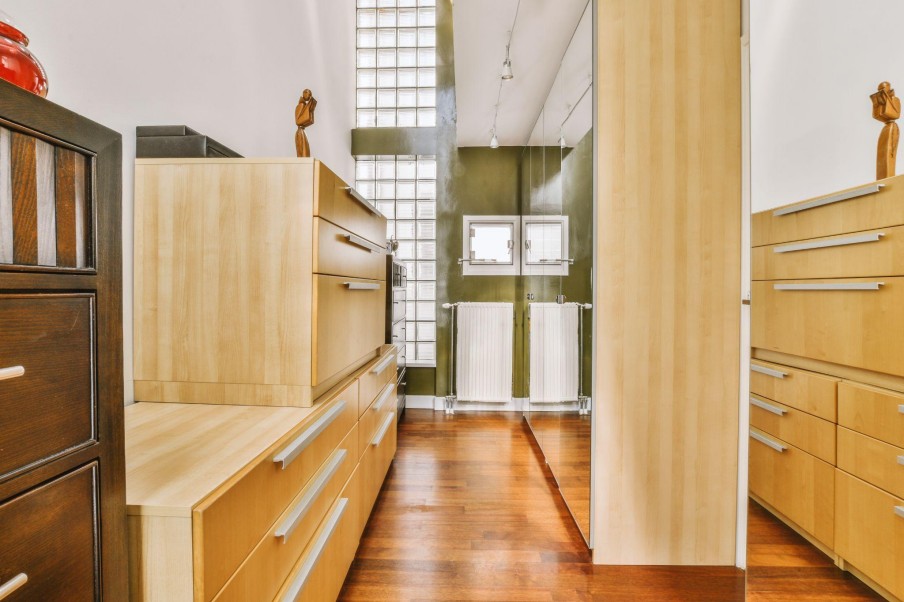
Space efficiency is critical in condos, making layout planning and built-in carpentry a high-priority expense. Custom wardrobes, kitchen systems, and storage solutions tailored to the unit’s dimensions significantly improve usability. Remember, in home interior design, poor carpentry design leads to wasted space that cannot be recovered later. Spending more upfront here reduces long-term frustration and increases functional value.
Kitchen and Bathroom Infrastructure
Plumbing, waterproofing, and cabinetry in kitchens and bathrooms should not be treated as cost-cutting opportunities. These are high-use areas with high failure risk if poorly executed. Quality fittings, reliable hardware, and proper installation prevent costly repairs later. Durable kitchen and bathroom solutions consistently rank among the most valuable investments for condo interior design ideas in Singapore.
Electrical Planning and Lighting Infrastructure
While decorative lighting can be modest, the underlying electrical plan should not be. Sufficient power points, well-considered lighting zones, and future-ready wiring support long-term living needs. Retrofitting electrical works after renovation is disruptive and expensive. Spending here improves functionality without altering visible design elements.
Materials for High-Touch Surfaces
Flooring, countertop surfaces, and frequently used handles or hinges experience constant wear. Higher-quality materials in these areas reduce maintenance issues and replacement cycles. Remember, in condos, where renovation access is more restricted, durability becomes a cost-saving measure over time rather than a luxury choice.
Conclusion
Successful condo renovations are driven by prioritisation, not excess. Knowing where to save and where to spend allows homeowners to allocate budgets toward elements that deliver lasting functional and lifestyle value. Disciplined spending on structure, layout, and durability in home interior design consistently outperforms aesthetic-heavy approaches. The most effective condo interior design ideas in Singapore focus on long-term use, adaptability, and cost efficiency rather than short-term visual impact.
Contact Fineline Design and let us identify where strategic investment will deliver the most long-term value for your home and lifestyle.