
When Quartz Stops Being the Practical Choice and Dekton Takes Over
Key Takeaways
- Quartz softens under extreme heat; Dekton stays stable even under direct flame.
- Outdoor kitchens in Singapore expose quartz to UV damage that Dekton resists completely.
- Dekton supports slim profiles down to 8mm, while quartz needs bulk for strength.
Introduction
For years, the quartz countertop in Singapore served as the default kitchen surface. Homeowners chose it for colour consistency, stain resistance, and predictable pricing. In a standard indoor kitchen with moderate heat and controlled use, quartz performs reliably. Kitchen habits have changed. Cast-iron cookware, high-temperature appliances, and balcony cooking areas now feature in many homes. These conditions expose the physical limits of resin-based surfaces. Quartz contains polymer binders. Polymers respond poorly to heat and sunlight. When daily use crosses those thresholds, surface damage stops being hypothetical. Dekton in Singapore is a substance designed for tougher environments.
1. Heat Exposure Under Real Cooking Conditions
A quartz countertop in Singapore fails most often due to heat damage. Quartz slabs contain roughly 7 to 10 per cent resin. Resin reacts when exposed to direct heat from boiling pots, oven trays, or induction cookware, and is removed without a trivet. The surface discolours, scorches, or develops hairline cracks caused by thermal shock. These marks remain permanent because the resin has already degraded.
Dekton behaves differently. Manufacturers fire their raw materials at extremely high temperatures during production. The finished slab tolerates direct contact with hot cookware. Home cooks can place pans on the surface or finish food with a blowtorch without surface change. The material structure does not rely on resin, so heat does not soften or warp the slab. In kitchens where high heat forms part of daily cooking, this difference matters.
2. Performance in Outdoor and Balcony Kitchens
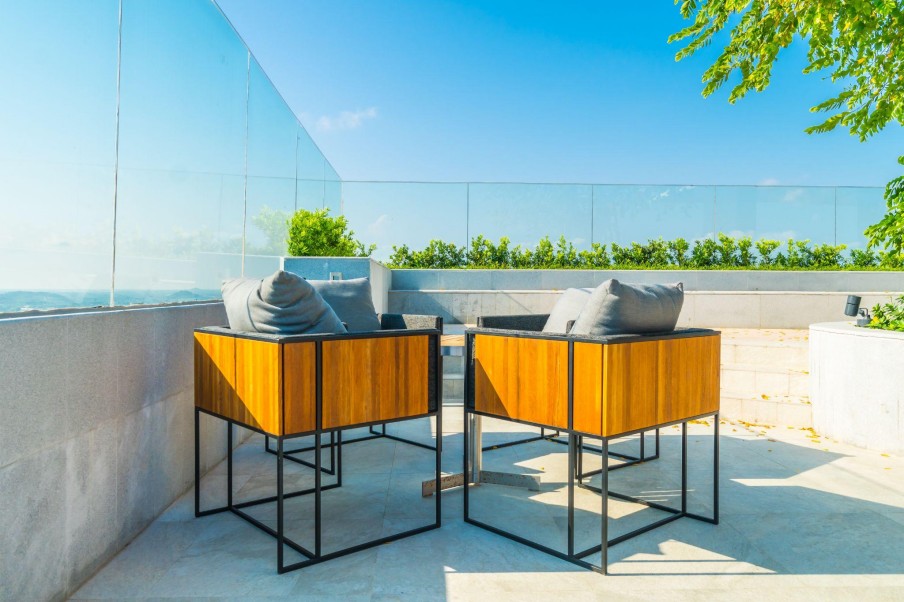
Balcony kitchens and outdoor bars now appear in many Singapore homes. Sun exposure, rain, and humidity place constant stress on surface materials. Quartz countertops exposed to sunlight suffer a colour shift because ultraviolet rays degrade the resin over time. Fading and yellowing occur gradually but remain irreversible.
Dekton in Singapore handles outdoor exposure without surface change. Ultraviolet radiation does not alter its colour. Rain and humidity do not affect its structure. Homeowners who install Dekton outdoors avoid the cycle of cosmetic decline that quartz surfaces experience under the same conditions. Outdoor use transforms material choice from an aesthetic decision into a performance requirement.
3. Structural Limits of Slim Countertop Design
Interior design trends favour thinner surfaces with sharp edges and seamless joins. Quartz struggles in slim formats. Fabricators usually require thicknesses of at least 20mm to maintain strength. Thinner quartz slabs crack more easily around sink cut-outs or overhangs.
Dekton supports slim fabrication. Its dense structure allows thicknesses of 8mm or 12mm without compromising stability. Designers use this property to wrap islands, clad cabinetry, and create continuous surfaces across vertical and horizontal planes. A quartz countertop in Singapore cannot achieve the same slim profiles without visible reinforcement or added bulk.
4. Resistance to Daily Wear and Tool Contact
Quartz resists scratches under light use, but shows wear in active kitchens. Sliding ceramic cookware, metal utensils, or serrated knives across the surface leaves marks over time. These marks accumulate rather than disappear.
Dekton ranks among the hardest kitchen surfaces available. Household knives dull before cutting the surface. Heavy cookware leaves no visible trails. In kitchens that prioritise function over caution, this resistance reduces surface maintenance and visual wear.
Conclusion
Quartz and Dekton serve different kitchens. Quartz suits controlled indoor environments with consistent habits and moderate heat. Dekton suits kitchens exposed to fire, sunlight, slim architectural demands, and heavy use. The decision does not hinge on design preference. It depends on how the kitchen operates everyday. When cooking style, environment, and layout exceed the limits of resin-bound materials, Dekton in Singapore offers a surface built to absorb that pressure without compromise.
Planning a high-heat kitchen or an outdoor counter? Contact Stone Loft today!