
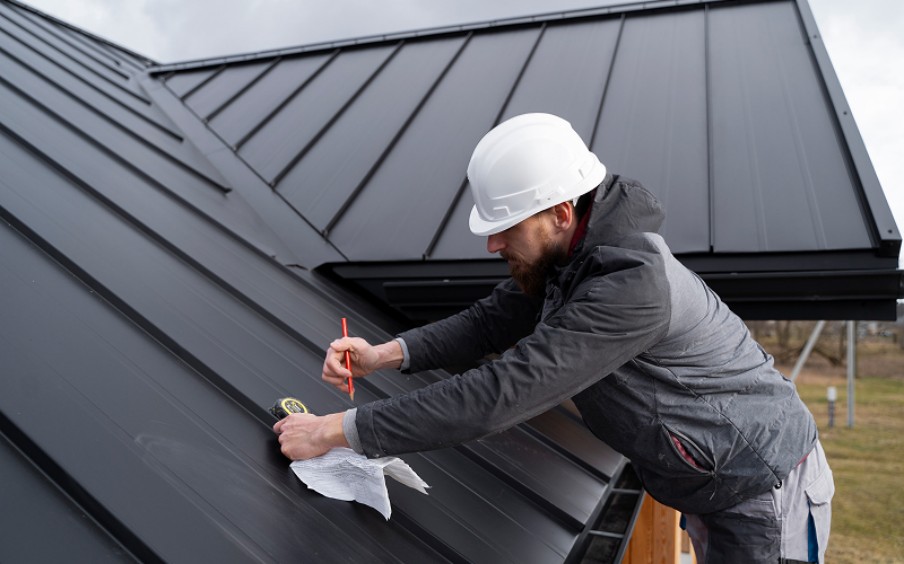
What is the Process Used for Roof Waterproofing Repair by a Waterproofing Company
Key Takeaways
- Roof leaks rarely start with dramatic damage
- Waterproofing is a step-by-step system, not a quick fix
- Materials matter as much as method
- Proper preparation determines long-term results
Introduction
When leaks appear, many property owners assume the solution is immediate sealing or patchwork. In reality, effective roof waterproofing repair is a carefully constructed process with defined stages, technical checks, and material decisions. Understanding how a waterproofing company in Singapore approaches this work helps explain why some repairs last for years while others fail within a single monsoon season.
Step One: Diagnosing the Real Source of Water Ingress
Every roof waterproofing repair begins with an investigation. Water rarely enters exactly where stains appear, making surface assumptions unreliable. A professional waterproofing company in Singapore starts by assessing roof gradients, drainage flow, membrane condition, and structural joints. Moisture testing, visual inspection, and water ponding observations are often combined to locate vulnerabilities. Misdiagnosis is one of the leading causes of failed waterproofing, highlighting why this step is foundational rather than optional.
Step Two: Understanding the Roof Structure Before Any Repair
Flat roofs, metal roofs, tiled systems, and reinforced concrete slabs each respond differently to heat, movement, and moisture. Roof waterproofing repair must be tailored to these characteristics. A waterproofing company in Singapore evaluates substrate type, age, and prior coatings to determine compatibility. Applying the wrong system on the wrong surface often leads to delamination or trapped moisture, which accelerates deterioration instead of preventing it.
Step Three: Surface Preparation is Where Most Repairs Succeed or Fail
Preparation is the least visible but most critical stage. Before any membrane or coating is applied, the roof must be cleaned, dried, and stabilised. Cracks are chased and repaired, loose screed is removed, and contaminants such as algae or oil residues are eliminated. Roof waterproofing repair performed on unprepared surfaces cannot bond correctly. Adhesion strength depends more on surface condition than on the waterproofing product itself.
Step Four: How Material Selection Matches Systems to Conditions
Once the surface is ready, the next step is selecting the correct waterproofing system. Common options include liquid-applied membranes, torch-on bituminous sheets, cementitious coatings, and polyurethane systems. A waterproofing company in Singapore considers the exposure to UV, foot traffic, thermal movement, and expected lifespan. Roof waterproofing repair is not about using the “strongest” product, but the most suitable one. Over-engineering can be as problematic as under-specifying, particularly in tropical climates.
Step Five: Precision Over Speed Upon Application
Application is where craftsmanship matters. Liquid membranes are applied in controlled layers to achieve uniform thickness. Sheet systems require careful alignment and heat control. Junctions around drains, parapets, and penetrations receive additional reinforcement, as these are common. Roof waterproofing repair carried out too quickly often leaves thin spots or trapped air pockets.
Step Six: Detailing Critical Areas
Most leaks originate from details rather than open surfaces. Expansion joints, pipe penetrations, and edge terminations experience constant movement. A waterproofing company in Singapore treats these areas with compatible sealants, fabric reinforcement, or prefabricated collars before completing the main membrane.
Step Seven: Letting the System Settle
After application, curing time is essential. Exposure to rain, foot traffic, or premature coating can compromise performance. A responsible waterproofing company in Singapore schedules work to allow membranes to cure fully before reopening the area. In some cases, protective screeds or coatings are added to shield the system from UV or mechanical damage. Roof waterproofing repair is only complete once the system has stabilised under real conditions.
Step Eight: Testing Before Handover
Before concluding the job, testing confirms effectiveness. Flood tests or controlled water exposure may be conducted to observe performance. This step ensures that the roof waterproofing repair functions as intended before warranties or guarantees are discussed. Post-application testing significantly reduces callback rates, reinforcing its role in quality assurance.
Why Process Matters More Than Products
Many failures blamed on materials actually stem from skipped steps or rushed execution. A waterproofing company in Singapore that follows a structured process reduces uncertainty and extends service life. Roof waterproofing repair works best when viewed as a system rather than a product application.
Long-Term Performance and Maintenance
Even the best waterproofing systems benefit from periodic inspection. Debris buildup, new penetrations, or structural movement can introduce new risks. Roof waterproofing repair is not a one-time event but part of an ongoing maintenance strategy.
Conclusion
Effective roof waterproofing repair is the result of methodical planning, correct material selection, and disciplined application. From diagnosis to curing, each step builds on the last. A waterproofing company in Singapore that prioritises process over shortcuts delivers repairs that withstand climate, time, and use. Understanding how waterproofing is made allows property owners to make informed decisions and recognise quality when they see it.
If you want roof waterproofing repair carried out with a structured, process-driven approach, consult with General Waterproofing & Service today.