
Metal Accents in Modern Luxury Homes: Brass, Bronze, or Black Steel?
Key Takeaways
- Metal accents define edges, reflect light, and add contrast while keeping modern layouts clean and visually balanced.
- Brass introduces warmth and softness, ideal for minimalist spaces that benefit from subtle glow and gentle contrast.
- Bronze and black steel add depth and structure, helping zones feel grounded without blocking light or openness.
- Consistent finishes and careful placement ensure cohesion, durability, and easy upkeep in humid urban homes.
Introduction
Subtle shine can shift a room from plain to polished. Metal accents do exactly that. Handles, trims, fixtures, and frames introduce contrast, reflect light, and guide the eye without crowding a space. Designers working within modern luxury interior design in Singapore use metals as visual anchors, adding depth while keeping layouts clean and composed.
Choosing between brass, bronze, and black steel depends on mood, lighting, and surrounding materials. Each metal carries its own character, and knowing where each works best keeps a space balanced and purposeful.
Why Metal Accents Matter in Luxury Interiors
Visual Depth Through Contrast
Mixing textures prevents interiors from appearing flat. Metal introduces a tactile layer that complements stone, wood, and glass. Matte steel against polished marble, or brushed bronze beside textured timber, adds subtle tension that keeps the eye engaged. Reflections from metallic surfaces also create subtle highlights that shift throughout the day, adding quiet movement to otherwise static finishes.
Functional Benefits Beyond Style
Hardware, lighting fixtures, and railings endure daily contact. Quality metal fittings resist wear and retain their finish longer than plastic alternatives. Protective coatings also minimise corrosion, an advantage in humid climates. Well-chosen finishes also hide minor scratches and fingerprints, helping surfaces stay presentable with minimal upkeep.
Brass: Warmth with a Modern Edge
Where Brass Works Best
Kitchen handles, bathroom fittings, and lighting frames gain a gentle glow from brass. When paired with pale cabinetry or stone surfaces, the finish introduces warmth while preserving visual clarity. Brass also works well on slim trims and shelving brackets, where a small hint of colour can soften crisp architectural lines. Designers use brass to introduce warmth without interrupting minimalist layouts in modern luxury interior design in Singapore.
Keeping Brass Refined
Brushed or satin finishes feel calmer than polished surfaces. Limiting brass accents to key touchpoints prevents visual clutter and keeps the look composed. Coordinating brass tones across handles, tapware, and lighting ensures continuity without overwhelming the room.
Bronze: Depth and Quiet Sophistication
Creating Balance with Dark Finishes
Bronze pairs well with textured timber, stone surfaces, and muted fabrics. The finish absorbs light rather than reflecting it, helping soften glare in bright interiors. Its deeper tone can also ground lighter colour palettes, creating a sense of visual stability. In home interior design in Singapore, bronze accents are frequently selected to add depth without increasing visual weight.
Patina and Character
Over time, bronze develops subtle tonal variation. Many homeowners appreciate this natural ageing process, as it adds depth without requiring frequent polishing. The evolving finish lends a lived-in character that feels intentional rather than worn.
Black Steel: Sleek Lines and Contemporary Strength
Structural and Visual Impact
Slim steel frames can define zones without blocking light. Glass partitions framed in black steel create separation while maintaining openness. This balance works well in open-plan layouts where visual continuity remains important. Black steel is used to define zones while preserving openness in many modern luxury interior designs in Singapore projects.
Pairing for Maximum Effect
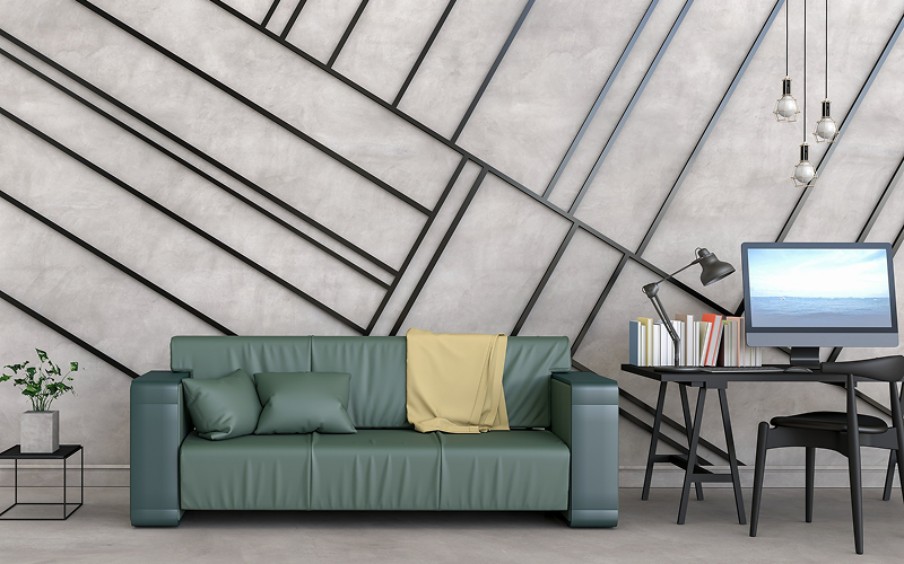
Black steel contrasts strongly with pale surfaces. Pairing it with marble, concrete textures, or warm wood creates visual balance and prevents interiors from feeling stark. Repeating the finish in lighting frames or furniture legs helps unify the overall scheme.
Mixing Metals Without Overdoing It
Combining finishes can create interest when handled carefully. Limiting the palette to two complementary metals helps maintain cohesion. Repeating each finish across fixtures and decorative elements prevents random placement. Consistency allows the eye to travel smoothly across the room without visual interruption.
Consistency in finish type also matters. Mixing brushed brass with polished brass may create unintended contrast. Choosing similar textures keeps the design calm and intentional.
Thoughtful placement in home interior design in Singapore ensures that metal accents guide the eye rather than distract from the overall layout.
Choosing the Right Finish for Your Space
Lighting conditions influence how metals appear. Warm lighting enhances brass tones, while cooler lighting emphasises steel’s crispness. Bronze performs well in both environments due to its subdued reflectivity. Observing samples under actual lighting conditions helps prevent unexpected colour shifts. Careful selection is important, as lighting and material finishes interact throughout the day in home interior design in Singapore.
Maintenance preferences should also guide decisions. Fingerprints show more easily on polished surfaces, while brushed finishes conceal marks and simplify cleaning routines. Choosing finishes that align with daily habits helps preserve a tidy appearance with less effort.
Conclusion
Metal accents add clarity, durability, and subtle contrast to contemporary interiors. Brass introduces warmth, bronze brings depth, and black steel defines structure. When used with restraint and intention, these finishes strengthen visual flow while remaining practical for daily living.
Contact M2 Decor today to explore how carefully chosen metal accents can refine your space and align with your lifestyle.