
Hotel Carpet Cleaning: How Often Should Hotels Clean High-Traffic Areas?
Key Takeaways
- High-traffic hotel areas require more frequent carpet cleaning due to constant footfall and Singapore’s humid climate.
- Regular hotel carpet cleaning enhances hygiene, preserves the carpet’s lifespan, and improves guest comfort and satisfaction.
- Combining daily in-house maintenance with professional rug cleaning in Singapore delivers the best long-term results for hotels.
Hotel carpets are often used than most flooring types, absorbing dirt, moisture, and odours from rolling luggage and constant foot traffic every day. In Singapore, cleanliness impacts guest comfort, online reviews, and repeat bookings, which makes hotel carpet cleaning an essential operational priority rather than a visual upgrade. When hotels know how often to clean high-traffic areas, it can be easier for them to maintain hygiene standards, protect carpet longevity, and present a consistently professional image without disrupting the daily operations of the hotel.
Why High-Traffic Hotel Carpets Require Frequent Cleaning
High-traffic areas experience continuous exposure to dirt, oils, spills, and moisture. Every step pushes debris deeper into carpet fibres, which makes routine vacuuming insufficient on its own. In hotels, these areas also face heavier contamination from outdoor pollutants, food residue, and high humidity. Without regular hotel carpet cleaning, carpets quickly lose their appearance, develop odours, and harbour bacteria that compromise hygiene expectations.
Having a warm and humid climate intensifies these issues, as moisture trapped within carpet fibres encourages mould and bacterial growth, especially near entrances and corridors connected to outdoor spaces. Frequent professional cleaning removes deep-seated contaminants before they cause permanent damage. Many hotels also include rug cleaning in Singapore as part of their maintenance strategy to ensure consistent cleanliness across lounges, suites, and waiting areas.
Recommended Cleaning Frequency for Different Hotel Areas
Not all hotel areas require the same cleaning schedule, as lobbies, reception zones, lifts, and main corridors should undergo professional hotel carpet cleaning every one to three months due to constant foot traffic. While daily vacuuming remains essential, periodic deep cleaning restores carpet fibres and prevents visible wear. Hotels in busy districts or with high occupancy rates often schedule monthly deep cleaning to maintain standards.
Guest room carpets and rugs require deep cleaning every six to twelve months, depending on turnover and usage. Event spaces such as ballrooms and conference rooms require cleaning after major functions to remove spills and embedded debris. Properties that prioritise rug cleaning in Singapore often rotate rugs during cleaning cycles, ensuring continuity without affecting guest areas.
The Impact of Clean Carpets on Guest Experience
Guests form impressions quickly, and carpet condition is crucial to consider. While clean carpets often go unnoticed, stained or odorous flooring creates immediate discomfort. Consistent hotel carpet cleaning enhances guest comfort, reduces allergens, and contributes to a welcoming atmosphere throughout the property. These details influence satisfaction scores and online reviews more than many hotels realise.
Clean carpets also support health and safety standards. Removing allergens and bacteria helps reduce complaints related to respiratory discomfort, particularly in enclosed spaces such as corridors and lifts. Many hospitality managers rely on experienced providers such as Carpet Cleaning Services to ensure cleaning routines align with operational schedules while meeting hygiene expectations.
Professional Cleaning vs In-House Maintenance
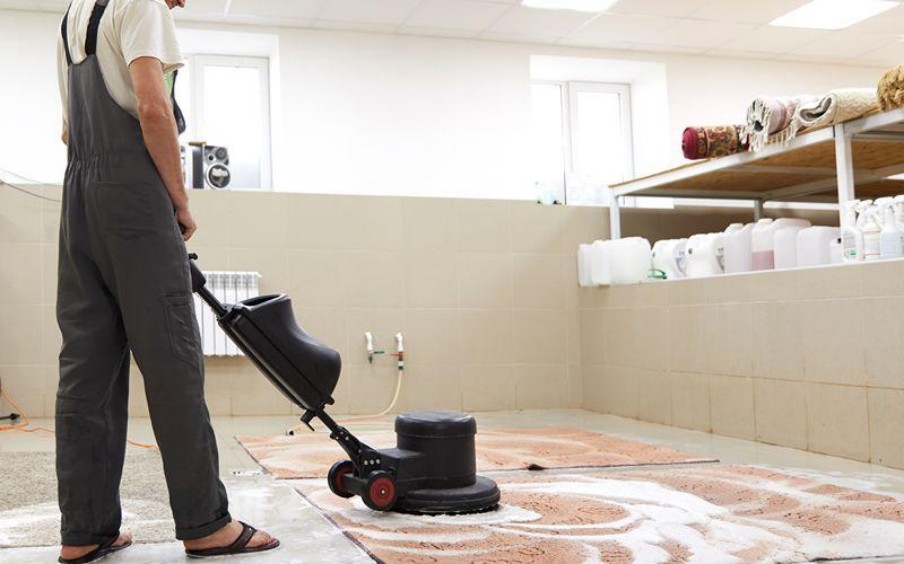
Daily in-house maintenance, including vacuuming and spot treatment, plays an important role but cannot replace professional deep cleaning. Commercial-grade equipment reaches deep into carpet fibres to extract grime, oils, and moisture that standard machines miss. Professional hotel carpet cleaning methods, such as steam extraction or low-moisture systems, deliver deeper and longer-lasting results.
Experienced cleaners also assess carpet materials and traffic patterns before recommending a method. This tailored approach prevents fibre damage and colour fading while maximising results. Hotels that combine in-house upkeep with scheduled professional services achieve better cleanliness consistency and carpet longevity. For properties with decorative pieces, professional rug cleaning in Singapore ensures delicate materials remain well-maintained.
Key Signs Your Hotel Carpets Need Immediate Cleaning
As hotel carpets face constant wear from guest traffic, luggage, and daily operations, issues can build up over time. One problem is that persistent odours after vacuuming often signal trapped moisture, bacteria, or food residue deep within the fibres. Another involves visible stains in lobbies, corridors, or lift areas that also indicate that routine cleaning no longer removes embedded dirt.
Changes in texture and colour provide further warning signs, as well as flattened fibres in high-traffic areas which suggest compacted dirt. Further issues include discolouration near entrances that point to outdoor contaminants, and an increase in allergy complaints from guests or staff may indicate poor carpet hygiene. Addressing these signs early helps hotels maintain cleanliness, protect carpet condition, and uphold guest comfort.
Conclusion
Hotel carpet cleaning is crucial in maintaining hygiene, guest comfort, and brand reputation. High-traffic areas require more frequent attention due to constant use and Singapore’s climate conditions. By combining daily maintenance with scheduled professional cleaning, hotels protect their carpets and enhance overall guest experience.
Contact Carpet Cleaning Services to keep your hotel carpets fresh and guest-ready by scheduling expert cleaning today.