
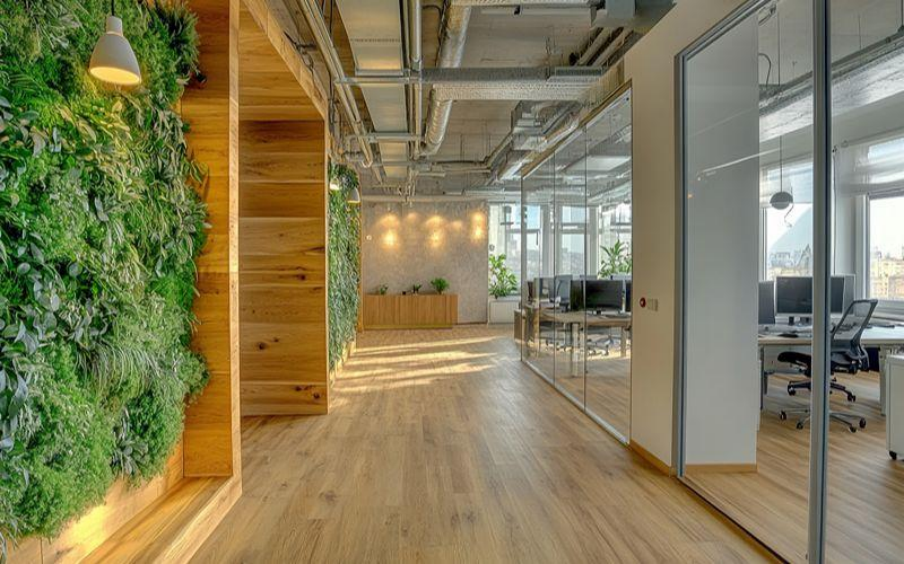
Eco-Friendly Office Interior Design: Practical Ideas for Workspaces
Key Takeaways
- Eco-friendly office interior design supports healthier work environments by enhancing air quality, increasing natural light, and utilising sustainable materials.
- Working with an office interior designer helps businesses make informed choices on energy-efficient features, green materials, and flexible layout planning.
- Incorporating greenery, smart technology, and modular furniture creates a more adaptable, sustainable, and comfortable workspace for modern teams.
Many companies in Singapore are rethinking their workplace design as sustainability becomes a major part of business culture, with eco-friendly office interior design becoming crucial in employee well-being, operational efficiency, and brand values. Nowadays, workspaces aim to reduce environmental impact while creating a healthier environment for staff. Working with an experienced office interior designer makes this transition smoother, especially when companies want to combine practicality with sustainability.
Why Sustainable Office Design Matters Today
Eco-friendly office interior design supports healthier work environments by reducing exposure to harsh materials, enhancing ventilation, and incorporating natural elements. Staff members spend long hours indoors, so decisions about lighting, furniture, and materials affect daily comfort. When companies prioritise sustainable design, they create spaces that feel more welcoming and less stressful, which may contribute to better productivity.
Sustainability also reflects a company’s values. Clients and partners increasingly notice whether businesses act responsibly in their operations. Choosing eco-friendly features, such as LED lighting, low-emission paint, or responsibly sourced materials, helps organisations show commitment to environmental responsibility. For companies working with an office interior designer, having clear sustainability goals during planning helps keep design choices aligned from start to finish.
Using Natural Light and Green Materials Efficiently
One of the foundations of eco-friendly office interior design is the effective use of natural light. Workspaces that rely more on daylight reduce energy usage and create a more pleasant atmosphere for employees. Open layouts, glass partitions, and strategic placement for workstations help lessen the need for artificial lighting during the day. Staff members often appreciate working in brighter, more natural environments, which can help improve focus and reduce fatigue.
Material selection also plays a large part in sustainability. Many offices now use furniture made from recycled wood, bamboo, or other renewable materials. Low-VOC (volatile organic compounds) paint helps reduce indoor air pollution. Flooring options such as recycled carpet tiles or sustainably sourced timber also contribute to a greener workspace. Engaging an office interior designer makes it easier to assess these materials and choose options that suit both budget and design goals. Companies like Ampersand Associates often help clients explore sustainable alternatives that still deliver functionality.
Energy-Efficient Features and Smart Technology
Modern workspaces benefit from combining eco-friendly design with efficient technology. Smart systems can reduce unnecessary energy consumption by controlling lighting, air-conditioning, and power usage. Motion sensors, for example, ensure lights turn off when meeting rooms are not in use. Zoned air-conditioning systems can help companies cool only the areas that need it, which can reduce wasted energy.
Another area worth exploring is energy-efficient office equipment. Printers, monitors, and computers with better energy ratings help organisations lower electricity usage. Placing charging stations in centralised areas can reduce unnecessary plug-ins around the office. An office interior designer can integrate these features into the overall layout so that they feel natural rather than disruptive.
Adding Greenery and Flexible Workspaces
Plants are one of the simplest ways to enhance eco-friendly office interior design. Indoor greenery improves air quality, reduces noise levels, and adds life to the workspace. Many offices in Singapore incorporate potted plants, vertical gardens, or plant-covered partitions to soften the look of work areas. This approach creates a calmer environment and encourages staff to feel more connected to nature throughout the workday.
Flexible spaces are also crucial in sustainability. When offices use modular furniture, adjustable desks, and multipurpose spaces, they reduce waste over time. Instead of tearing down walls or redesigning entire sections, companies can adjust layouts as their needs evolve. This approach helps organisations reduce renovation waste while adapting to new working styles such as hybrid work.
Conclusion
Eco-friendly office interior design helps businesses create healthier, more sustainable work environments that support employee well-being and long-term operational efficiency. With thoughtful planning and guidance from an experienced office interior designer, companies can incorporate natural light, eco-conscious materials, and energy-saving features seamlessly into their workspace. These practical ideas contribute to a more comfortable and responsible office environment that reflects modern workplace values.
Plan a greener, more sustainable workspace. Contact Ampersand Associates to explore eco-friendly office design solutions for your company.