
A Step-by-Step Plan for How to Remove Black Mould Safely
Key Takeaways
- Gaining knowledge on how to remove black mould starts with identifying moisture sources and stopping them early.
- Safe preparation protects your health and improves cleaning results.
- DIY methods work for small patches, but wider contamination may need a mould removal company.
- Consistent prevention habits reduce the chance of mould returning.
Introduction
Black mould rarely appears overnight. It builds quietly, feeding on moisture, warmth, and neglect, until it becomes impossible to ignore. Knowing how to remove black mould properly can make a noticeable difference to indoor comfort and hygiene. Below is a practical step-by-step plan that walks through preparation, cleaning, and prevention without turning the process into an overwhelming project.
1. Identify the Cause Before You Touch the Mould
Many people rush straight into scrubbing, only to find the mould returns weeks later. That cycle happens because the root cause stays active. Before thinking about how to remove black mould, spend time observing where moisture builds up. Bathrooms with poor ventilation, kitchens with steam, leaking pipes, or condensation on bedroom windows tend to be repeat offenders.
Look closely at surrounding surfaces. Peeling paint, bubbling plaster, or darkened grout lines suggest ongoing dampness. If the area feels cold or smells musty, moisture is likely trapped behind the surface. Drying the space thoroughly, repairing leaks, and improving airflow create a foundation for successful cleaning.
This step might feel slower than grabbing a spray bottle, yet it saves time in the bigger picture. Without moisture control, even the most thorough cleaning session becomes temporary.
2. Prepare the Area and Protect Yourself
Once the cause is addressed, preparation becomes the next priority. Black mould releases spores that can irritate skin, eyes, and airways. Proper protection allows you to focus on the task without unnecessary exposure.
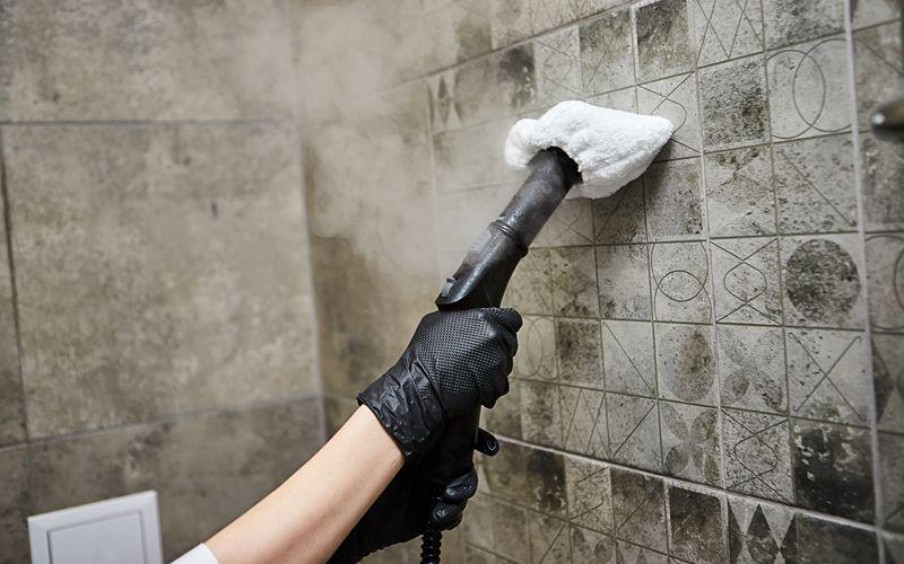
Wear gloves, a mask, and old clothing with long sleeves. Open windows or switch on an exhaust fan to keep air moving. Remove nearby items such as towels, mats, or toiletries so they do not pick up spores during cleaning.
This stage sets the tone for safe and effective work. Many people underestimate how much difference good ventilation makes, yet it plays a central role in every successful attempt at removing black mould.
3. Clean Methodically Using Suitable Solutions
Now comes the hands-on part. For small patches, household solutions such as diluted vinegar, baking soda, or hydrogen peroxide can break down surface mould. Apply your chosen cleaner, allow it to sit for several minutes, then scrub gently with a stiff brush or sponge.
Avoid dry brushing. This scatters spores into the air and spreads contamination. Instead, keep the area slightly damp while scrubbing, then wipe residue away with disposable cloths.
If mould penetrates porous materials like plasterboard, ceiling panels, or carpets, cleaning alone may not solve the problem. A mould removal company becomes relevant where professionals assess how deeply the mould has travelled and remove affected materials safely when needed.
Grasping how to remove black mould includes recognising personal limits. A mould removal company handles larger infestations, persistent odours, or situations linked to structural moisture. Their involvement can prevent partial fixes that fail over time.
After cleaning, dry the area thoroughly. Use fans or a dehumidifier if available. Drying is not an optional extra. It completes the process.
4. Disinfect and Create a Barrier Against Return Growth
Cleaning removes visible mould, but spores may still linger. Disinfecting reduces what remains and lowers the chance of quick regrowth. A mild bleach solution or commercial disinfectant can serve this purpose, applied carefully and wiped away after the recommended contact time.
Once dry, consider adding protective measures. Anti-mould paint in bathrooms, sealant on grout lines, and moisture-resistant coatings in kitchens provide extra defence. These steps support future efforts at how to remove black mould by reducing how easily it can reappear.
Regular maintenance keeps these barriers working. Wiping condensation from windows, running fans during showers, and leaving cupboard doors open occasionally to improve airflow all contribute quietly yet effectively.
5. Build Simple Habits That Keep Mould Away
Prevention becomes easier once cleaning is complete. Small routines shape healthier spaces. Opening windows each morning, checking under sinks monthly, and cleaning bathroom tiles weekly take little time yet deliver steady results.
If mould returns despite these habits, a mould removal company can investigate hidden moisture sources such as wall cavities or subfloor areas. Their inspection may reveal issues that are invisible from the surface.
Learning how to remove black mould once is helpful. Creating conditions where mould struggles to grow is even more valuable.
Conclusion
Dealing with black mould does not need to feel overwhelming. The process works best when approached in stages, starting with moisture control, moving through safe cleaning, and finishing with prevention. Knowing how to remove black mould gives you practical control over small outbreaks, while recognising when a mould removal company is appropriate protects your home from deeper issues. With the right steps and steady habits, cleaner surfaces and fresher air become realistic expectations rather than wishful thinking.
Contact MouldGuru to discuss inspection options, cleaning support, or professional mould removal services.