
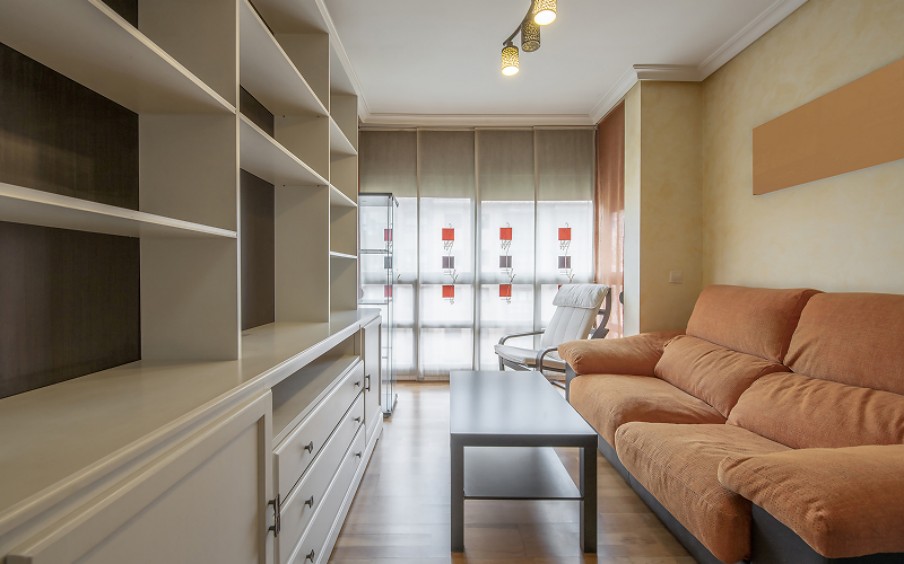
Why Storage Plays a Key Role in Effective HDB Interior Design
Key Takeaways
- Storage shapes daily routines and mood more than most people realise
- Strong HDB interior design starts with storage planning, not finishes
- Built-in storage helps manage structural constraints in HDB flats
- Balanced storage avoids both clutter and visual heaviness
- Interior design in residential spaces benefits from flexible, adaptable storage solutions
Introduction
Storage rarely steals the spotlight, yet it shapes how an HDB flat feels from the moment the door opens. Bags pile up, shoes drift across the floor, and suddenly a well-designed home feels smaller than it should. In many Singapore households, space is tight and routines move fast. That is why storage sits at the heart of effective HDB interior design, even if it does its job quietly.
Good storage is not about hiding clutter at all costs. It is about giving everyday items a place that feels natural. When storage works, mornings feel smoother, evenings calmer, and weekends less chaotic. This practical side of interior design in residential spaces often determines whether a home supports daily life or constantly fights against it.
Storage Is the Backbone, Not the Add-On
There is a common assumption that storage comes last, added after the sofa, the dining table, and the feature wall. In reality, the strongest HDB interior design plans start with storage. It forms the backbone that allows everything else to fall into place.
Think of storage like the plumbing of a home. When it is done right, no one notices. When it is poorly planned, it causes daily frustration. Built-in cabinets, hidden compartments, and multi-use furniture create flow. They free up visual space and physical movement, which matters more than most people expect.
In interior design in residential spaces, storage also influences how rooms are shaped. A well-placed cabinet can define zones without walls. A slim shoe unit can keep walkways clear. These choices may seem small, yet they quietly support how a home is used every single day.
Living Better Through Smarter Storage
Storage does more than organise belongings. It shapes behaviour. When items are easy to reach and just as easy to put away, clutter becomes less tempting. That has a knock-on effect on mood, focus, and even relationships at home. No one enjoys searching for keys when running late or shifting stacks of items just to clear the dining table.
In many HDB homes, storage also acts as a buffer between shared and private spaces. Thoughtful shelving or closed cabinetry can reduce visual noise, especially in open-plan layouts. This is where HDB interior design shows its practical side, balancing openness with order.
There is a mild contradiction worth noting. Too much storage can feel heavy, even stifling. Yet too little creates chaos. The sweet spot sits somewhere in between, guided by lifestyle rather than floor plans alone. That balance is what separates functional homes from homes that simply look good in photos.
Built-In Storage and Real HDB Constraints
HDB flats come with fixed structural elements that cannot be ignored. Columns, beams, and service ducts often dictate what can be done. This is where custom storage earns its keep. Tailored cabinetry works around constraints instead of fighting them.
Built-ins also help HDB interior design stay cohesive. Matching finishes, flush panels, and concealed handles keep spaces visually calm. This matters in smaller flats, where too many textures or interruptions can make rooms feel crowded.
Interior design in residential spaces has shifted towards flexibility as well. Storage now pulls double duty. Benches hide compartments, beds lift to reveal storage beneath, and kitchen systems adapt to changing needs. These solutions reflect how modern households live, not how showrooms stage their displays.
Storage Trends Shaping HDB Homes Today
Current storage trends favour subtlety over statement pieces. Open shelving still has a place, but it is often balanced with closed storage to avoid visual overload. Natural tones, matte finishes, and soft lighting make storage feel integrated rather than imposed.
There is also growing awareness of long-term needs. Families expand, work-from-home setups evolve, and hobbies change. HDB interior design that accounts for these shifts uses adaptable storage systems. Adjustable shelves and modular units allow homes to grow without constant renovation.
At the same time, interior design in residential spaces has become more honest. Storage solutions no longer pretend that clutter does not exist. Instead, they acknowledge it and manage it thoughtfully, without guilt or perfectionism.
Conclusion
Storage may not be glamorous, but it plays a central role in shaping comfort, flow, and peace of mind at home. In well-planned HDB interior design, storage supports routines quietly, without demanding attention. It creates breathing room, both physically and mentally, which is something every household values.
Interior design in residential spaces works best when it reflects real life, not idealised images. Storage bridges that gap, turning good intentions into daily ease. For homeowners planning their next renovation or refresh, thoughtful storage choices often make the biggest difference in how a space truly works. For tailored advice and practical solutions, contact Hoft Interior to explore storage designs that fit real HDB living.