
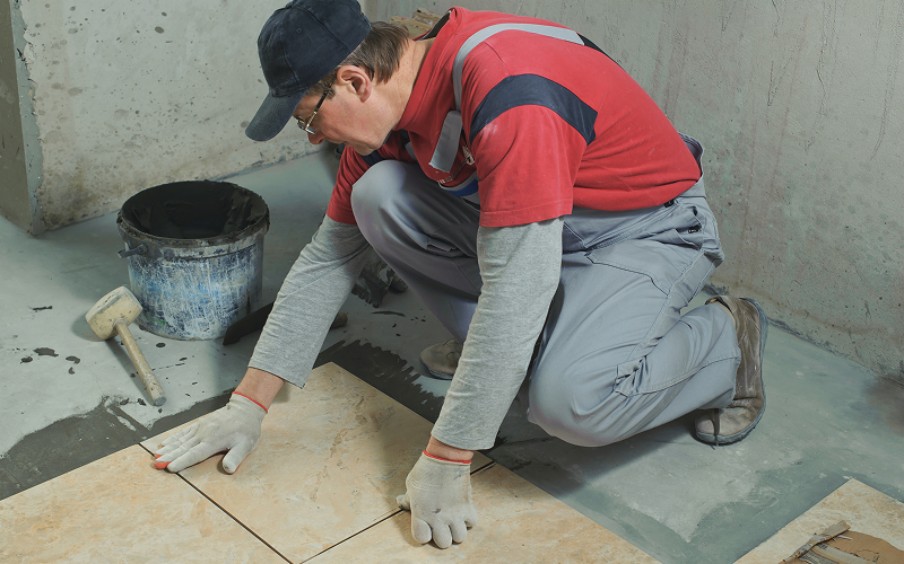
Choosing Tile Adhesive for Concrete, Screed, and Plastered Walls
Key Takeaways
- Different surfaces require different adhesive properties to manage moisture, movement, and surface strength.
- Proper surface preparation plays a major role in tile alignment, bonding reliability, and long-term durability.
- Flexible adhesive systems help tiles cope with curing movement and daily temperature changes.
- Correct mixing, spacing, and curing reduce grout issues and keep finishes consistent over time.
Introduction
Picking the right tile adhesive can feel like matching shoes to the floor. Problems show up quickly, and fixing them later adds work nobody enjoys. Each surface reacts differently once tiles are installed, so adhesive choice needs attention before tiles leave the box, especially when weighing tile adhesive in Singapore options for different substrates.
Concrete slabs, screeded floors, and plastered walls behave differently once covered. Moisture levels, surface strength, and minor movement affect how tiles settle and stay in place. A clear selection process early helps keep alignment steady, grout lines tidy, and future repairs off the agenda. Planning ahead also makes it easier to compare tile adhesive in Singapore choices without uncertainty later.
Understanding Surface Behaviour Before Adhesive Selection
Concrete Surfaces and Bonding Needs
Concrete often appears reliable, yet surface conditions vary widely. Moisture content, curing stage, and surface density differ between slabs. New concrete may still release moisture, while older slabs can collect surface dust that reduces adhesion.
Before applying adhesive, checking dryness and porosity is essential. Primers help strengthen the surface and allow adhesive to spread evenly. Even bonding keeps tiles level and helps prevent hollow spots that later affect grout performance during finishing work.
Screed Floors and Movement Considerations
Screed allows more movement than concrete, especially while curing. Shrinkage and small shifts remain common, particularly in homes where temperature and humidity change daily.
Adhesives with some flexibility allow tiles to accommodate this movement without stress. Consistent coverage is critical. Uneven adhesive beds create pressure points, which often appear later as cracks once tile grout in Singapore starts to fail along stressed joints.
Plastered Walls and Vertical Challenges
Plastered walls require careful preparation, particularly for vertical tiling. Adhesion depends on drying time, plaster quality, and surface cleanliness. Weak or dusty plaster reduces grip, while gravity increases the risk of tile movement.
Tile weight, trowel size, and adhesive consistency affect control during installation. Adhesives designed for vertical use reduce sag and slipping. Secure placement also supports even application of tile grout in Singapore during final alignment and joint filling.
Practical Application Tips That Improve Results
Good preparation supports smoother installation. Removing dust, checking for loose material, and applying primers where needed allow adhesive to perform as expected. Skipping preparation saves little time and often creates more work later.
Mixing also requires care, especially once tile grout in Singapore is considered during joint spacing and finishing. Correct ratios and resting time improve consistency. Even spreading helps alignment and limits the need for mid-installation adjustments.
Spacing and curing also influence long-term results. Adequate curing time allows adhesives to gain strength before grouting begins. Rushing this step often leads to movement beneath tiles, which later affects grout appearance and maintenance.
Choosing Systems With Long-Term Use in Mind
Daily use places steady demands on tiled surfaces. Foot traffic, cleaning routines, and temperature changes all contribute to gradual stress. Adhesive systems that allow slight movement help tiles remain secure as conditions shift.
Compatibility between adhesive and grout influences long-term appearance. When both products work well together, finishes stay even and maintenance remains predictable. Thoughtful pairing helps reduce staining, cracking, and uneven joints once installation wraps up.
Conclusion
Tile installations perform best when surface behaviour guides adhesive selection, particularly when choosing tile adhesive in Singapore for mixed residential surfaces. Concrete, screed, and plastered walls each bring different demands, and matching products to those demands keeps results tidy and dependable. Careful preparation, correct application, and patient curing all contribute to installations that age well.
Contact Mapei Far East today to discuss adhesive systems suited for concrete floors, screeded surfaces, and plastered walls, and get guidance that fits your project needs from the start.