
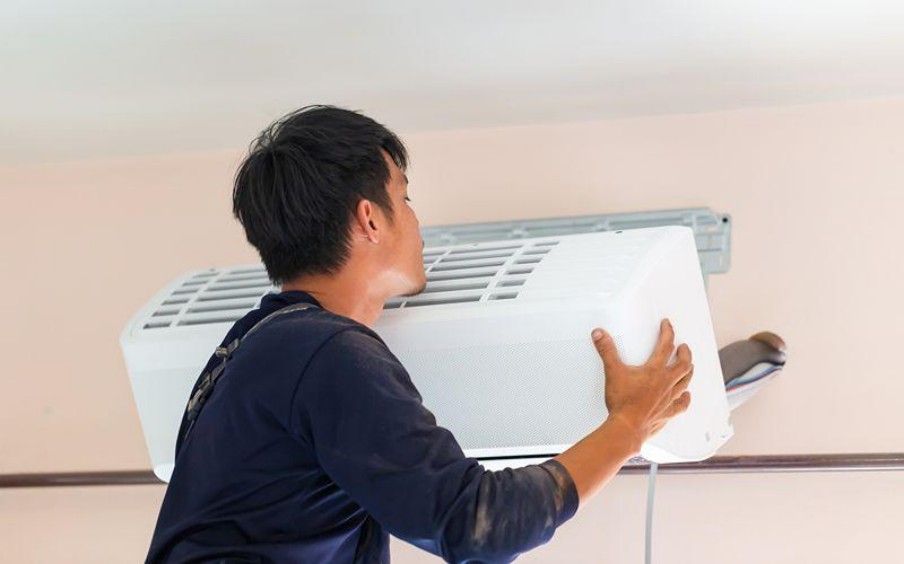
Does Professional Aircon Installation Lead to Fewer Repairs?
Key Takeaways
- Proper installation reduces system stress that leads to frequent repairs
- Professional planning ensures correct sizing, placement, and airflow
- Small installation errors can escalate quickly in Singapore’s climate
- Even well-installed systems still require regular servicing
- Investing in quality aircon installation often saves money long-term
Air-conditioning is not a luxury in Singapore. It is part of daily survival, whether at home, in offices, or inside busy retail spaces. When an aircon system fails, discomfort sets in fast. That frustration often leads to a practical question: Does professional installation really reduce future repair problems, or does it simply raise upfront costs?
The short answer is yes, but the reasoning goes beyond surface-level workmanship. It involves experience, planning, and a deep understanding of how aircon systems behave under Singapore’s heat and humidity.
Why Installation Quality Quietly Sets the Tone
An aircon system is only as reliable as its starting point. Poor installation rarely causes immediate trouble. Everything may seem fine for months. Cool air flows, noise levels remain low, and energy bills appear stable. Then the problems creep in. Leaks form. Cooling weakens. Odd rattles appear out of nowhere.
These issues often trace back to early installation choices. Incorrect pipe gradients, loose electrical connections, or poorly planned layouts slowly strain the system. Over time, those stresses accumulate.
A capable aircon contractor approaches installation like laying a solid foundation. The aim is not just short-term comfort, but steady performance years down the road.
Precision Matters More Than Speed
There is a common assumption that installation is a quick, mechanical task. Mount the unit, connect the pipes, and power it up. That mindset causes many long-term issues.
Professional aircon installation pays close attention to details most homeowners never notice. Refrigerant levels must be carefully calibrated. Drainage angles must suit Singapore’s humidity. Pipe insulation thickness affects efficiency more than expected.
In a hot climate, even small errors escalate quickly. Moisture builds up. Compressors work harder. Systems cycle on and off more often than they should. Each cycle adds wear, and wear invites repairs.
Matching Systems to Real-World Usage
One of the most overlooked stages happens before any tools come out. Proper assessment.
Rooms are not created equal. Ceiling height, sunlight exposure, window placement, and daily usage patterns all affect cooling needs. A bedroom used only at night requires different planning from a home office running all day.
Professional aircon installation considers these realities. Oversized units cool quickly but switch on and off too often, wearing parts faster. Undersized units struggle continuously, pushing components beyond their comfort zone.
Getting this balance right lowers stress across the system and reduces the need for repeated repairs.
The Hidden Role of Airflow and Placement
Placement often seems like a visual decision, but it is highly technical. An indoor unit positioned too close to walls or furniture disrupts airflow. Cold air pools unevenly. Sensors misread temperatures. The system compensates by working harder.
Outdoor units matter just as much. Poor ventilation around condensers leads to heat buildup, especially in tight service yards or balconies. Overheated condensers are a common cause of breakdowns.
Experienced installers plan placement with airflow, servicing access, and long-term reliability in mind. That foresight is rarely accidental.
Why Professional Work Reduces Early Breakdowns
Repairs within the first few years often signal installation issues rather than product faults. Loose fittings cause gas leaks. Incorrect wiring leads to random shutdowns. Poor drainage results in water damage.
A skilled aircon contractor follows thorough checks during installation, even if it takes longer. Pressure testing, proper vacuuming, and electrical verification all help prevent early failures.
It may feel excessive at first. It rarely feels unnecessary later.
Maintenance Still Matters, Even With Good Installation
Even the best installation cannot prevent all repairs forever. Filters clog. Fans collect dust. Coils pick up grime from urban air.
However, systems installed correctly respond better to routine servicing. Parts wear evenly. Faults are easier to diagnose. Maintenance becomes preventive rather than reactive.
Professional aircon installation does not remove the need for care. It makes that care more effective.
Cost Considerations and Long-Term Value
Installation cost often becomes the main concern. Yet frequent repairs quietly cost more over time. Emergency call-outs, part replacements, and downtime add up.
Many homeowners realise too late that a cheaper installation created years of inconvenience. Proper installation spreads value across a longer lifespan, with steadier performance and fewer surprises.
In a country where aircons run almost daily, reliability carries real weight.
Conclusion
Does professional aircon installation lead to fewer repairs? In most cases, yes. It reduces hidden stress, aligns performance with actual usage, and supports long-term reliability. While regular servicing remains important, working with a trusted aircon contractor from the beginning often results in fewer breakdowns and lower repair costs. For dependable comfort and peace of mind, reach out to Cool Channels Engineering today to discuss the right aircon installation for your space.