
Understanding Office Renovation Costs in Hong Kong: What Businesses Need to Know
For companies in Hong Kong, office renovation isn’t just about aesthetics — it’s a strategic investment in brand experience, operational efficiency, and employee productivity. Yet the cost of transforming a commercial space here often surprises business owners who have not navigated the city’s real estate and construction landscape before. With property rents among the world’s highest and building standards tightly regulated, accurately budgeting for an office fit-out requires a firm grasp of both local market norms and practical cost drivers.
At the outset, it’s helpful to recognise that office renovation cost in Hong Kong varies widely depending on scale, quality of finishes, and the degree of structural alteration required. A simple refresh — repainting walls, replacing carpets, and updating lighting — may run far lower than a full reconfiguration that involves partitioning, electrical redesign, and specialist installations. For many businesses, starting with a clear benchmark like those at office renovation cost guides in Hong Kong can help set realistic expectations from the outset.
What Drives the Cost
One of the biggest contributors to renovation expense in Hong Kong is labour. Skilled tradespeople — from carpenters to electricians — command premium rates relative to regional peers. This result stems not from scarcity alone, but also from the high cost of living and strong regulatory requirements governing safety and workmanship. Firms that underestimate labour costs at the planning stage often find themselves facing budget overruns once construction begins.
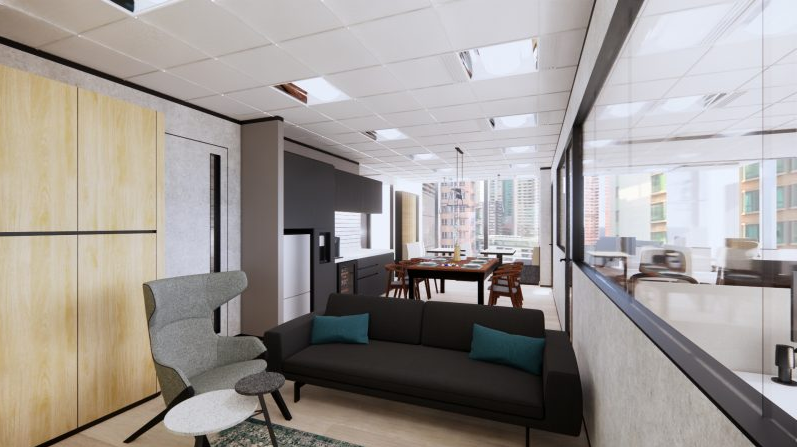
Material selection is another significant variable. Standard commercial finishes such as vinyl flooring and basic LED lighting are cost-effective options. However, contemporary trends toward premium timber, acoustic panels, and bespoke joinery can increase overall renovation budgets substantially. In high-profile offices where brand presentation is essential, these decisions are seldom optional, and they must be factored into early cost estimates.
Beyond tangible inputs, compliance with building and fire safety codes in Hong Kong can influence both timing and cost. Office fit-outs that alter floor layouts, add new partitions, or modify utilities may trigger additional inspection requirements or necessitate permits from the Buildings Department. These procedural steps, while essential, can extend project timelines and add consultancy fees that are easy to overlook.
Budgeting Wisely
A best practice for organisations planning a renovation is to adopt a tiered costing approach: establish a baseline budget, then layer in optional enhancements based on strategic priorities. For example, allocating funds for better ergonomic workstations may directly support employee wellbeing, while decorative upgrades might be postponed if cost pressures arise.
Transparent engagement with contractors is crucial. Fixed-price quotations offer security against unexpected price inflation, but they must be based on thoroughly reviewed design drawings and specifications. Ambiguities at the tender stage often lead to variation orders during construction, which are a primary driver of budget creep.
In addition, leveraging visual references or precedent projects — such as office redesigns in similar properties and neighbourhoods — can help align stakeholder expectations. Professional fit-out consultants often provide scenario estimates that show how modest changes to layout or finish quality affect overall costs, enabling decision-makers to trade off priorities before committing financially.
The Value of Planning
Ultimately, the cost of renovating an office in Hong Kong should be viewed not simply as an outlay, but as an investment in the business environment. A well-executed refurbishment can enhance brand perception among clients, support more flexible working arrangements, and contribute positively to staff morale. Conversely, poor planning or inadequate budgeting can lead to disruptions, retrofits, and accelerated depreciation of interior assets.
Whether you are relocating, expanding, or refreshing your current space, a grounded understanding of likely expenses — supported by detailed references like the office renovation cost breakdowns in Hong Kong — provides a firm foundation for decision-making. By anticipating key cost drivers and embedding contingencies into project plans, businesses can pursue renovation outcomes that deliver long-term value without unwelcome surprises.