
What an HDB Electrician Recommends for Different Room Types
Key Takeaways
- Ceiling lights remain the most practical choice for general illumination in HDB flats, especially where ceiling height and wiring points are limited.
- Track lights offer flexibility and directional control, but require proper planning by an HDB electrician to avoid glare and uneven lighting.
- Spotlights are best used as supplementary lighting, not as the sole light source, particularly in bedrooms and living spaces.
- Professional light installation in the city-state ensures electrical safety, compliance with HDB guidelines, and long-term usability across different room types.
Choosing between ceiling lights, track lights, and spotlights is not just a design decision. Lighting choices in HDB flats are closely tied to ceiling height, wiring layout, load capacity, and how each room is actually used. An experienced HDB electrician looks beyond aesthetics and focuses on functionality, safety, and maintenance when advising on light installation in Singapore homes. Each lighting type serves a different purpose, and understanding where each works best prevents over-lighting, dark zones, and unnecessary rewiring later.
Living Room
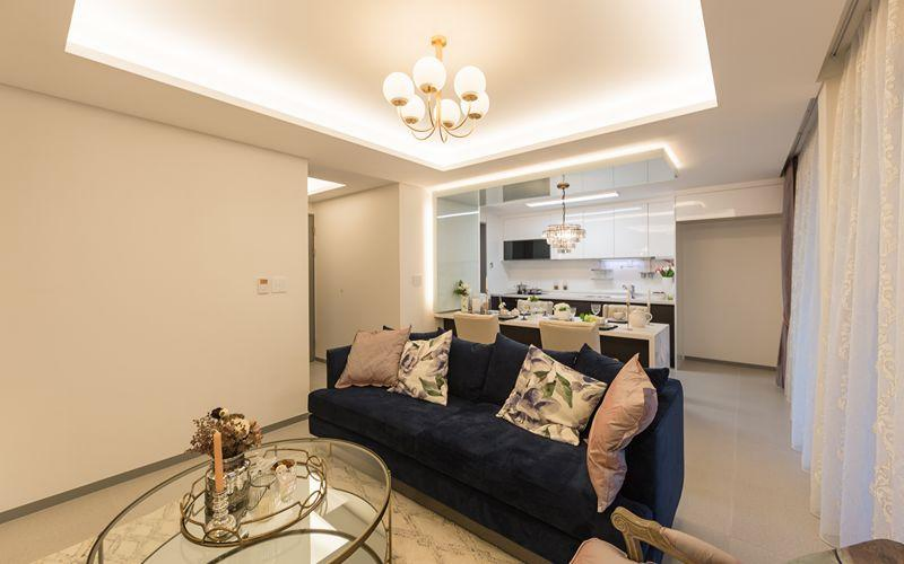
A ceiling light remains the backbone of the lighting plan for most HDB living rooms. It provides even ambient illumination, works well with existing wiring points, and avoids casting harsh shadows. Flush or semi-flush ceiling lights are usually recommended in flats with standard ceiling heights to prevent visual clutter and head clearance issues.
Track lights are increasingly popular in living rooms, but an HDB electrician will usually advise using them as a secondary layer rather than the main light source. Tracks allow directional lighting for feature walls, TV consoles, or artwork, but poor placement can create glare or uneven brightness. Spotlights alone are rarely recommended for living rooms, as they tend to produce pools of light rather than consistent coverage, making the space feel fragmented if not paired with ambient lighting.
Kitchen
Function takes priority in kitchens. Ceiling lights are commonly used for general illumination, ensuring the entire space is evenly lit. However, many HDB electricians recommend track lights or directional spotlights above work zones such as countertops, sinks, and cooking areas. This targeted approach reduces shadows caused by overhead cabinets and improves task visibility.
Careful consideration is given to heat, moisture, and grease exposure. An HDB electrician will select appropriate fittings and ensure wiring routes comply with safety standards. Overusing spotlights without proper spacing often leads to dark prep areas, which is a common mistake in DIY or poorly planned installations.
Bedrooms
Bedrooms benefit most from simple, controlled lighting. Ceiling lights are still the preferred option for general use, especially in HDB bedrooms where ceiling points are limited. Warm colour temperatures are often recommended to reduce eye strain and promote rest.
Spotlights may be added for bedside reading or wardrobe areas, but an HDB electrician will usually caution against excessive use. Too many directional lights can make a bedroom feel harsh and clinical. Track lights are less common in bedrooms unless the space is used as a hybrid room, such as a home office, where adjustable lighting is beneficial.
Bathrooms
Bathrooms require strict attention to safety zones. Ceiling lights with proper ingress protection ratings are typically recommended for general lighting. Spotlights may be used above mirrors or shower areas, but only when suitable fittings are used and correctly positioned.
An HDB electrician ensures that light installation in Singapore, particularly for bathrooms, complies with electrical safety requirements, particularly around water exposure. Decorative lighting is secondary to reliability and compliance in these spaces.
Corridors and Dining Areas
Corridors often rely on ceiling lights for simplicity and coverage, especially in older flats with limited wiring options. Spotlights may be used sparingly to highlight artwork or create visual interest, but excessive lighting in narrow spaces can feel oppressive.
Dining areas allow more flexibility. Track lights or pendant-style ceiling lights are commonly recommended, as they can be aligned with dining tables and adjusted if furniture layouts change. An HDB electrician will plan the positioning carefully to avoid glare and uneven illumination during meals.
Conclusion
There is no one-size-fits-all solution when it comes to lighting in HDB flats. Ceiling lights provide reliable general illumination, track lights offer flexibility where zoning is needed, and spotlights work best as supporting elements rather than primary sources. A qualified HDB electrician approaches light installation with a practical mindset, ensuring each room is lit according to its function, safety requirements, and long-term usability rather than trends alone.
Contact 81 Electrical and understand how proper light installation is planned, installed, and tested for long-term safety and usability.