
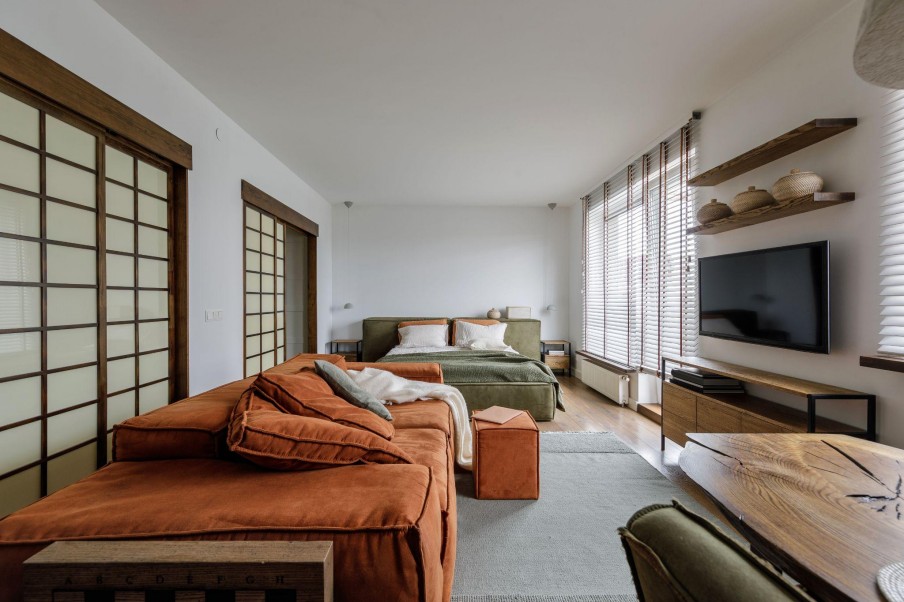
5 Myths Worth Rethinking on Interior Styling in Singapore
Key Takeaways
- Interior styling is more about intention than price or size.
- Flexible furniture options influence how spaces evolve.
- Styling decisions can adapt to lifestyle shifts without full replacements.
- Thoughtful planning creates cohesion without rigid rules.
Introduction
Home design advice travels fast, and along the way, a few ideas pick up unnecessary baggage. Some sound convincing at first, yet fall apart once real spaces and real routines enter the picture. This is especially true for interior styling in Singapore, where compact homes, evolving lifestyles, and flexible living arrangements demand a different way of thinking. Unpack a few assumptions that deserve a second look and explore what actually shapes a well-styled home.
1. You Need Permanent Pieces Before You Can Style Anything
One persistent belief suggests that styling only begins after large furniture purchases are finalised. In reality, interior styling usually starts with understanding how a space will be used rather than what will be locked in forever. A living room may host quiet evenings during the week and social gatherings at the weekend, which means flexibility matters more than permanence.
Designers increasingly approach layouts as evolving frameworks. Sofas, tables, and storage elements are chosen with adaptability in mind, allowing residents to test arrangements before committing. This shift reframes interior styling in Singapore as a process of discovery rather than a single decisive moment.
When furniture can move, change, or be swapped, styling becomes layered. Rugs define zones. Lighting adjusts mood. Accessories introduce character. The room grows into itself instead of arriving fully formed on day one.
2. Small Homes Cannot Look Curated
Another myth claims that limited square footage restricts visual depth. Anyone familiar with interior styling knows the opposite tends to be true. Smaller homes demand sharper editing, which often leads to more cohesive results.
A compact dining area, for instance, benefits from a restrained palette and consistent materials. Instead of filling every corner, styling focuses on a few meaningful pieces that anchor the space. Vertical surfaces, such as walls and shelving, become active design zones rather than afterthoughts.
This approach allows interior styling in Singapore to feel intentional rather than crowded. The aim is not to make a space look larger through tricks, but to make it feel balanced and purposeful. When each item has a reason to exist, scale becomes less intimidating.
3. Rental Furniture Means Temporary Style
This assumption tends to surface when people first hear about short-term furniture rental. The phrase can suggest compromise or generic selections, yet the reality is far more nuanced. Many curated rental collections mirror what you would find in design studios or show flats, offering pieces selected for proportion, finish, and versatility.
A furniture rental fits naturally into modern interior styling because it supports experimentation. A homeowner may try a curved sofa instead of a standard silhouette. A renter may explore darker finishes without committing to ownership. These choices shape the atmosphere of a space, even if the pieces change later.
Short-term furniture rental also encourages seasonal refreshes. Swapping a coffee table or armchair can shift a room’s character without major disruption. Rather than weakening style, this model strengthens it by keeping spaces responsive to evolving tastes.
4. Styling Is Separate From Function
Some believe styling sits on top of function, as though beauty and usability live in separate lanes. Interior styling in Singapore challenges this idea daily. Storage solutions are chosen for visual calm. Seating layouts reflect traffic flow. Lighting schemes respond to daily routines.
A well-styled home feels intuitive because the visual language supports how people move and interact. For example, an entryway console does more than hold keys. It sets a tone, offers a landing zone, and visually introduces the home’s material story.
Short-term furniture rental complements this philosophy by allowing residents to fine-tune function through experience. If a dining bench proves more practical than individual chairs, it can replace them. If a reading nook feels underused, it can evolve into a workspace. Styling follows function, not the other way around.
5. Once Styled, a Home Should Stay the Same
This final myth assumes good design reaches a fixed endpoint. Interior styling doesn’t usually work like that. Homes change because people change. Work patterns shift. Families grow. Hobbies appear and fade.
Viewing styling as an ongoing conversation keeps spaces relevant. Accessories rotate. Textiles update. Furniture pieces come and go. Short-term furniture rental plays a role here by reducing the pressure to make “forever” decisions.
Interior styling in Singapore thrives when residents feel free to adjust rather than preserve. A home that evolves feels lived-in, not staged, and that sense of ease shows in every corner.
Conclusion
Much of what circulates about interior styling rests on outdated assumptions. Permanent choices are no longer the sole foundation of good design. Small spaces can feel rich and layered. Short-term furniture rental supports creative exploration rather than limiting it. Function and style work together, and homes benefit from change rather than resisting it. Interior styling in Singapore continues to move towards flexibility, clarity, and personal expression, which makes room for homes that feel considered without feeling rigid.
Contact WTP to explore interior styling solutions that align with how you live today.